

Cat Desexing: When, Why and What to Expect
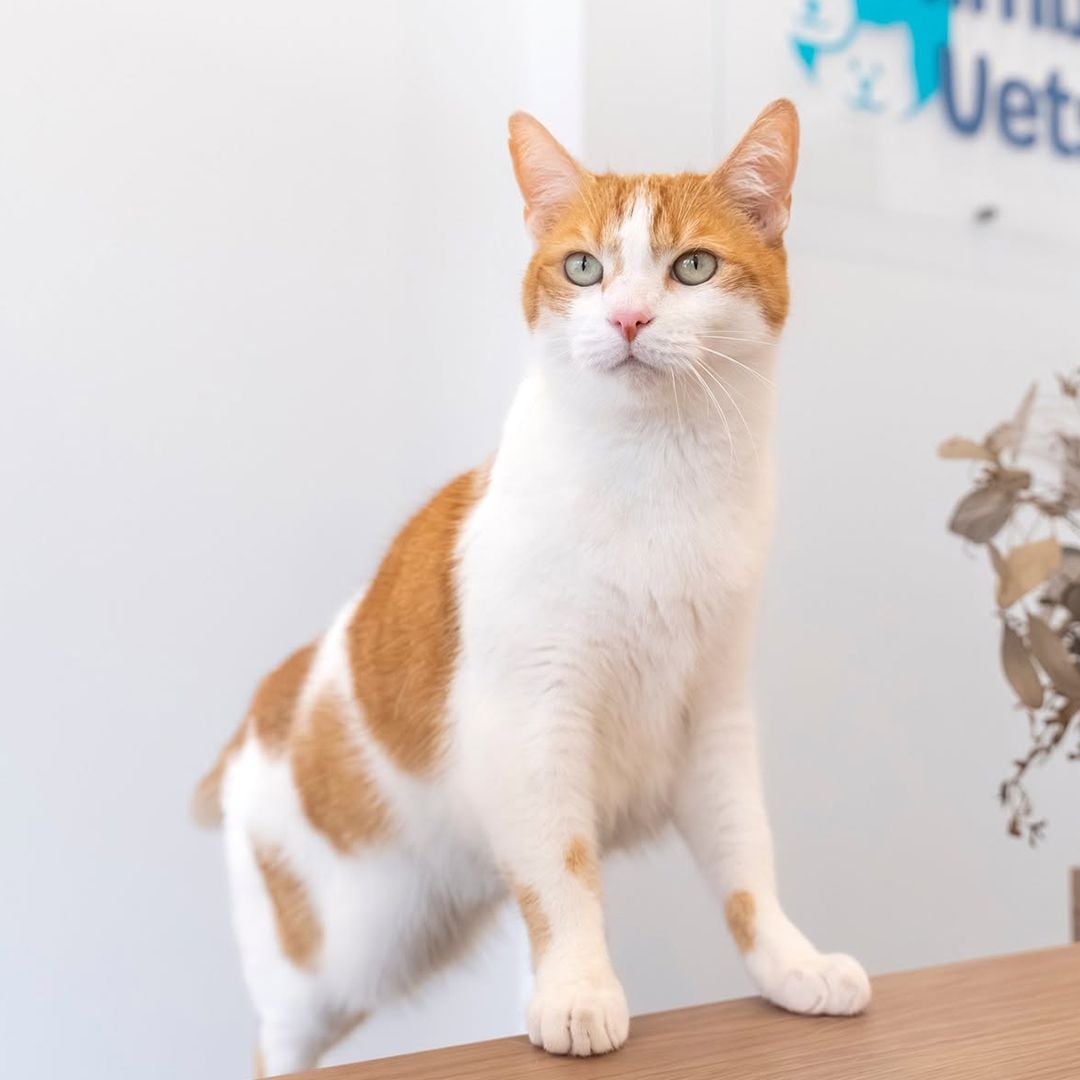
If you've recently welcomed a kitten into your family, you might be surprised at just how early cats can reach reproductive maturity.
Female kittens can become pregnant from around four to five months of age, and sometimes even earlier. That's why planning their desexing at a young age is so important.
Desexing also offers important health and behavioural benefits for both male and female cats, helping to prevent certain serious conditions and reduce behaviours such as roaming, fighting and urine spraying.
At Nimble Veterinary Hospital, we're here to help you understand the procedure and make the experience as straightforward as possible for you and your cat.
This guide covers when to desex your cat, the benefits, how surgery is performed and what you can expect during recovery.
Why should you desex your cat?
Desexing involves surgically removing the reproductive organs.
In female cats, this is called spaying and involves removing the ovaries, usually along with the uterus. In males, castration involves removing the testicles.
Desexing provides several important benefits.
Health benefits for female cats
Prevention of pyometra
Pyometra is a serious, potentially life-threatening infection of the uterus.
When it develops, emergency surgery is generally required. This carries greater risks than a planned spay performed on a healthy cat.
Reduced mammary cancer risk
Spaying also reduces the risk of mammary (breast) cancer, particularly when performed before a female cat's first heat.
This is one of the important reasons we recommend planning desexing early.
Health benefits for male cats
Castration removes the risk of testicular cancer.
It can also reduce hormone-driven roaming and fighting, potentially lowering the risk of injuries and abscesses from encounters with other cats.
Behavioural benefits
Desexing can help reduce:
- Roaming in search of a mate
- Fighting, particularly between male cats
- Urine spraying and territorial marking
- Loud calling or yowling when female cats are in season
- Certain mounting behaviours
These changes can make life more comfortable for your cat and easier to manage at home.
However, desexing doesn't change your cat's underlying personality, and it won't necessarily resolve behaviours caused by fear, anxiety or learned habits.
Preventing unwanted litters
Cats can reproduce at a surprisingly young age.
Desexing prevents unplanned litters and helps reduce the number of unwanted cats and kittens entering shelters and pounds.
When is the best age to desex a cat?
The NSW Pet Registry recommends desexing cats by four months of age.
Female kittens can become pregnant from around four to five months, and sometimes earlier, so it's important not to assume that a young kitten is too young to reproduce.
Early desexing is well established in cats, and kittens generally recover quickly following the procedure.
For females, spaying before their first heat also provides the strongest protection against mammary cancer later in life.
If you have a new kitten, we recommend discussing desexing with our veterinary team early so you can plan an appropriate time for surgery.
Cat desexing and NSW Pet Registry requirements
In NSW, cats must be microchipped and lifetime-registered with the NSW Pet Registry, generally by 12 weeks of age or when first transferred to a new owner.
The Registry recommends desexing by four months of age.
As at 1 July 2026:
- Standard lifetime registration for a cat is $74.
- An annual permit of $104 applies while a cat remains undesexed beyond the recommended age, unless an applicable exemption is recognised.
- Eligible pensioners and certain other categories may qualify for reduced fees.
Fees can change, so check the NSW Pet Registry for the current amounts.
What if desexing needs to be delayed?
Where there is a medical reason to delay desexing, a veterinary recommendation may allow an exemption under the NSW rules.
The recommendation must be arranged before your cat reaches the recommended desexing age of four months to seek exemption from the permit requirement.
If the delay is temporary, your cat must be desexed by the date specified in the veterinary recommendation.
We can provide the veterinary documentation for you to take to your local council. Whether an exemption is granted is determined under the NSW requirements.
After surgery, you'll also need to make sure your cat's desexing status is updated on the NSW Pet Registry. We'll provide the necessary paperwork.
How to prepare your cat for desexing surgery
Preparation is particularly important for cats, especially when it comes to fasting and keeping them safely indoors before their appointment.
The night before surgery
- Follow fasting instructions. Food is usually withheld from the night before surgery, while water is generally allowed until the morning. Follow the specific instructions provided by our team.
- Keep your cat indoors. This prevents them from disappearing overnight or finding food while they're meant to be fasting.
- Prepare a secure carrier. Your cat will need to travel safely to and from the hospital.
- Check their health. Let us know about any existing medical conditions, medications or recent illnesses.
- Tell us if your female cat may be in heat or has recently had kittens.
- Check vaccinations. Make sure they're up to date, particularly for young kittens.
Preparing for recovery at home
Before bringing your cat home, set up a warm, quiet and comfortable recovery area.
Ideally, this should be away from stairs, other animals and young children, with a litter tray nearby.
Your cat will need to avoid climbing, jumping and strenuous activity while the surgical wound heals.
What happens during cat desexing surgery?
At Nimble Veterinary Hospital, we carefully assess and monitor every patient throughout the procedure.
Here's what you can expect on surgery day.
Admission and examination
When you arrive, we'll check your cat in, review the consent form and answer any questions about the procedure or costs.
Your cat will receive a physical examination before anaesthesia. Depending on their age and health, intravenous fluids may also be recommended.
Recommended pre-surgical blood testing
We recommend an in-house blood test before surgery.
While a physical examination tells us a lot about your cat's general condition, it can't show how well their liver and kidneys are functioning.
These organs are important in processing and clearing anaesthetic medications.
Even young, apparently healthy cats can have underlying problems, including kidney or liver abnormalities, blood-sugar problems or anaemia.
A blood test can help identify these concerns and provides a valuable baseline for future health assessments.
This test is an additional cost, and we're happy to discuss it with you during admission.
Sedation and pain relief
Before anaesthesia, your cat receives medication to help them relax and provide pain relief.
The procedure is performed under general anaesthesia, with monitoring throughout surgery.
The desexing procedure
Female cats: The ovaries, and usually the uterus, are removed through an incision in the abdomen.
Male cats: The testicles are removed through small incisions in the scrotum.
Surgical wounds are generally closed using dissolvable stitches beneath the skin where appropriate, although some cats may require external stitches that are removed later.
Desexing a female cat that is in heat can be more involved because of increased blood flow to the reproductive organs.
Similarly, a male cat with an undescended testicle may require a more complex procedure.
We'll discuss any additional considerations or costs if they apply to your cat.
Recovery and discharge
After surgery, your cat will wake up in a warm, monitored recovery area, with ongoing pain relief as needed.
Most cats go home the same afternoon.
Before discharge, one of our nurses will explain medication, wound care, feeding, activity restrictions and any follow-up appointments.
Caring for your cat after desexing
Most cats recover well following desexing, but their activity needs to be restricted while the wound heals.
The first 24 hours
Your cat may initially seem sleepy, wobbly or a little cold after anaesthesia.
Keep them warm and comfortable in a quiet space.
Offer a small meal and some water in the evening, following the discharge instructions provided by our veterinary team.
A slightly reduced appetite on the first night can be normal.
The next 10-14 days
Although your cat may seem back to normal quite quickly, the surgical wound generally needs 10-14 days to heal properly.
During this period:
- Keep your cat indoors. Avoid climbing, jumping and strenuous activity.
- Prevent licking and chewing. An Elizabethan collar or suitable recovery suit should remain on at all times, including overnight, as advised by our team.
- Check the wound twice daily. Mild redness or swelling may occur initially, but increasing swelling, heat, discharge or the wound opening is not normal.
- Keep the wound clean and dry. Avoid bathing until it has healed.
- Give prescribed pain relief. Never give human medications unless specifically directed by a veterinarian. Many human pain medications are particularly toxic to cats.
- Monitor litter tray habits. Make sure your cat is urinating normally.
- Attend the recheck. Any external stitches are generally removed around 10-14 days after surgery.
Male cats can remain fertile for a few weeks after castration. Keep them separated from undesexed females during this time.
When should you contact the vet urgently?
Please contact us promptly if you notice:
- Bleeding or dripping from the wound
- An opening wound or growing swelling
- Pale gums, laboured breathing, collapse or marked weakness
- Persistent vomiting
- No interest in food or water the day after surgery
- Straining or being unable to pass urine, particularly in male cats
If your cat is unable to urinate, seek emergency veterinary attention immediately.
Are there risks associated with cat desexing?
Desexing is a routine and generally very safe procedure, but no surgery or anaesthetic is completely risk-free.
Potential complications include:
Anaesthetic risks: Serious complications are uncommon in healthy cats, but the risks can be higher in older cats or those with existing medical conditions.
Bleeding: Although uncommon, bleeding can occur during or after surgery. Internal bleeding may cause pale gums, weakness or abdominal swelling and requires urgent attention.
Wound complications: Infection, swelling, fluid build-up (seroma) or wound breakdown can occur, particularly if a cat licks or chews the surgical site or becomes too active.
Suture reactions or hernias: These are uncommon but can occasionally occur.
Ovarian remnant: In rare cases, a small amount of ovarian tissue may remain after spaying, allowing a female cat to show signs of coming into heat again. Further surgery may be required.
Weight gain: Desexed cats may require fewer calories and can develop an increased appetite.
For most cats, these risks are small compared with the health and welfare benefits of desexing.
We'll discuss any individual concerns before your cat's procedure.
Managing your cat's weight after desexing
One of the most common long-term changes after desexing is a tendency to gain weight.
Desexed cats generally burn fewer calories and may have an increased appetite.
Without adjusting their diet, it's easy for extra weight to develop gradually.
Maintaining a healthy body weight is important for your cat's overall health and can help reduce the risk of conditions such as diabetes and joint problems.
Our veterinary team can help you review food choices and portion sizes to keep your cat at a healthy weight.
Frequently asked questions about cat desexing
Book your cat's desexing appointment at Nimble Veterinary Hospital
Whether you've recently adopted a kitten or are considering desexing an older cat, our veterinary team is here to help.
At Nimble Veterinary Hospital in West Ryde, we'll guide you through the appropriate timing, preparation, surgery and recovery so you know what to expect at every stage.
Ready to organise your cat's desexing?
Download our Cat Desexing Guide
For a quick reference before and after surgery, download our Cat Desexing Owner Guide.
It includes preparation and aftercare checklists, what to expect on surgery day and important warning signs to watch for during recovery.
Download the Cat Desexing Guide
This information is intended as general guidance. Please follow any specific veterinary instructions provided for your cat.
Written by the team at Nimble Veterinary Hospital | Last reviewed October 2026
On this page
Why should you desex your cat?
When is the best age to desex a cat?
Cat desexing and NSW Pet Registry requirements
How to prepare your cat for desexing surgery
What happens during cat desexing surgery?
Caring for your cat after desexing
Are there risks associated with cat desexing?
Managing your cat's weight after desexing
Frequently asked questions about cat desexing
Book your cat's desexing appointment at Nimble Veterinary Hospital

