

Rabbit Desexing: When, Why and What to Expect
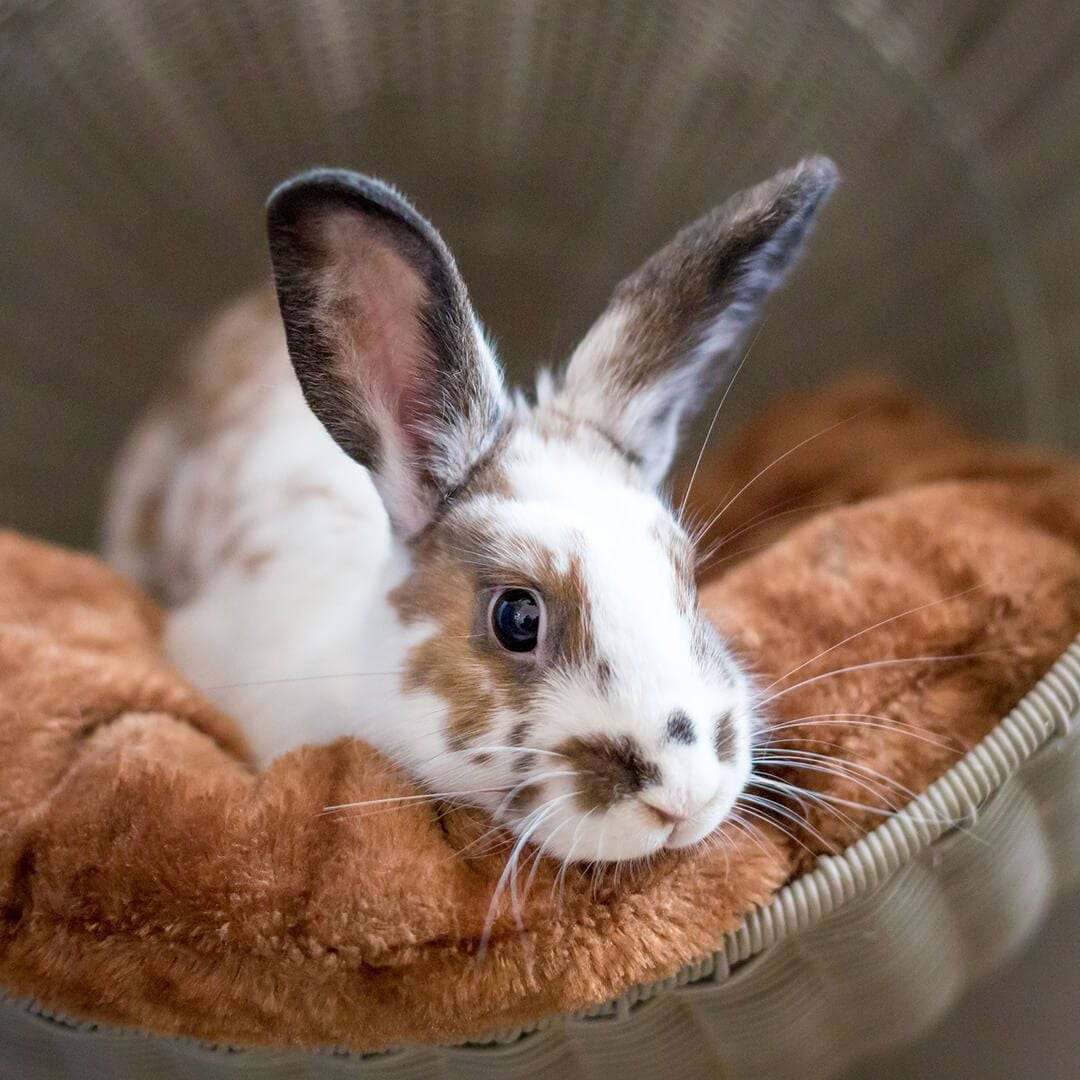
Rabbits make wonderful companions, but when it comes to their health, they have some very different needs from dogs and cats.
Desexing is one of the important preventative healthcare decisions you can make for your rabbit. It can help protect against serious reproductive diseases, prevent unwanted litters and reduce hormone-driven behaviours that can make rabbits difficult to manage or bond with other rabbits.
However, rabbits also require particular care during anaesthesia and recovery, making appropriate preparation and aftercare especially important.
At Nimble Veterinary Hospital, we understand that deciding to have your rabbit desexed can raise plenty of questions.
This guide explains when desexing is recommended, the benefits, what happens during surgery and how you can help your rabbit recover safely.
Why should you desex your rabbit?
Desexing involves surgically removing the reproductive organs.
For female rabbits, this is called spaying and involves removing the ovaries, usually along with the uterus.
For male rabbits, castration involves removing the testicles.
There are important reasons to consider desexing for both male and female rabbits.
Health benefits for female rabbits
One of the biggest health reasons to desex female rabbits is the prevention of uterine cancer.
Unspayed female rabbits have a high risk of developing uterine cancer as they age.
Removing the reproductive organs prevents this disease and can provide significant long-term health benefits.
Benefits for male rabbits
Desexing male rabbits removes the risk of testicular cancer and can help reduce hormone-driven behaviours.
These can include mounting, urine marking, territorial behaviour and aggression.
Behavioural and social benefits
Rabbits are social animals, but reproductive hormones can sometimes make living together more challenging.
Desexing can help reduce:
- Territorial aggression
- Urine spraying and marking
- Mounting behaviour
- Fighting associated with reproductive hormones
- Some difficulties when introducing or bonding rabbits
This can make it easier for rabbits to form and maintain successful bonds with suitable companions.
However, desexing doesn't change your rabbit's basic personality and won't necessarily resolve behaviours caused by fear, anxiety or learned habits.
Preventing unwanted litters
Rabbits can reach sexual maturity at a young age and reproduce quickly.
Desexing prevents unplanned litters and helps reduce the number of unwanted rabbits needing rehoming.
When should you desex your rabbit?
At Nimble Veterinary Hospital, we aim to desex rabbits once they weigh more than 1 kg.
For male rabbits, we also wait until the testicles have descended.
Rather than relying on age alone, weight helps guide our assessment of when a young rabbit may be ready for anaesthesia.
This is particularly relevant because rabbits of different breeds can grow and mature at different rates.
Rabbits reach sexual maturity early, so delaying desexing unnecessarily can increase the likelihood of unplanned litters and hormone-driven behavioural problems.
For female rabbits, delaying also means continuing exposure to the risk of uterine cancer as they age.
Why is rabbit desexing different from dog or cat desexing?
Rabbits are more delicate anaesthetic patients than dogs and cats.
They are particularly sensitive to changes in body temperature, and maintaining normal digestive function is essential during recovery.
For these reasons, rabbit anaesthesia and aftercare require special attention.
We'll assess your rabbit's health and discuss the appropriate timing before scheduling surgery.
Do rabbits need to be registered or desexed under NSW Pet Registry rules?
Unlike dogs and cats, rabbits are not covered by the NSW Pet Registry.
This means the desexing ages, additional fees and annual permits that apply to dogs and cats do not apply to rabbits.
Our recommendations for rabbit desexing are based on their health, development and individual circumstances.
How to prepare your rabbit for desexing surgery
Preparing a rabbit for surgery is different from preparing a dog or cat.
The most important difference is that rabbits should not be fasted before surgery.
Do not fast your rabbit
A rabbit's digestive system needs to keep moving.
Unlike dogs and cats, rabbits should continue eating and drinking normally right up until they arrive at the hospital.
Withholding food can interfere with normal gut function, which is particularly important to maintain around the time of surgery.
Bring your rabbit's usual food
Please bring:
- Their regular hay
- Their usual pellets
- Their favourite fresh greens
Familiar foods can help encourage your rabbit to start eating again after anaesthesia.
Getting your rabbit eating promptly after surgery is an important part of their recovery.
Keep your rabbit warm and secure
Bring your rabbit in a secure carrier lined with a comfortable towel.
Keep them warm during transport, as rabbits can lose body heat quickly under anaesthesia.
Tell us about any health concerns
Let our team know about any existing medical conditions, medications or recent changes in your rabbit's appetite, behaviour or droppings.
Also tell us if your rabbit lives with a bonded companion.
We'll discuss how best to manage the companion relationship during recovery and reintroduction after surgery.
Prepare a recovery area at home
Before surgery, organise a clean, dry, quiet enclosure where your rabbit can recover comfortably.
For the first few days, soft towels or paper are preferable to loose hay or sawdust as bedding, as these materials can contaminate the surgical wound.
Your rabbit should be protected from excessive activity, disturbance and changes in temperature while recovering.
What happens during rabbit desexing surgery?
Rabbit anaesthesia requires careful preparation, monitoring and recovery management.
At Nimble Veterinary Hospital, we assess your rabbit's individual needs before proceeding.
Admission and examination
When you arrive, we'll check your rabbit in, review the consent form and answer any questions about the procedure and costs.
Your rabbit receives a physical examination before anaesthesia.
Depending on age and health, we may also recommend intravenous fluids.
Recommended pre-surgical blood testing
We recommend an in-house blood test before surgery.
A physical examination alone cannot tell us how well the kidneys and liver are functioning, and these organs are important in processing and clearing anaesthetic medications.
Blood testing can help identify underlying concerns that may not be obvious during a physical examination, including liver or kidney abnormalities, blood-sugar problems or anaemia.
It can also provide a baseline for future health assessments.
Pre-surgical blood testing is an additional cost, and we'll be happy to discuss it with you at admission.
Sedation, anaesthesia and pain relief
Your rabbit receives premedication to provide sedation and pain relief before general anaesthesia.
Throughout surgery, your rabbit is monitored carefully.
Maintaining body temperature is especially important because rabbits can lose heat quickly.
The desexing procedure
Female rabbits: The ovaries, and usually the uterus, are removed through an abdominal incision.
Male rabbits: The testicles are removed through incisions in the scrotal area.
Wounds are generally closed with dissolvable stitches beneath the skin, although some rabbits may require external stitches that need removing later.
Recovery and going home
After surgery, your rabbit will recover in a warm, monitored area with ongoing pain relief.
We'll pay particular attention to their temperature, comfort and return to eating.
Most rabbits can return home the same afternoon.
Before discharge, one of our nurses will explain your rabbit's medications, feeding, wound care, recovery arrangements and any follow-up appointments.
Caring for your rabbit after desexing
Recovery is especially important following rabbit surgery.
While surgical wound care matters, monitoring your rabbit's eating and droppings is one of the most important things you can do.
Make sure your rabbit is eating
Your rabbit should start nibbling hay or greens within hours of returning home.
Their digestive system needs to keep functioning, so it's important to monitor food intake closely.
Monitor droppings
Your rabbit should be passing droppings within approximately 12 hours after surgery.
Eating and passing droppings are key signs that their digestive system is functioning.
If your rabbit refuses food, develops a bloated belly or hasn't passed droppings for 12 hours, treat this as an emergency.
Do not wait until the following day if your rabbit has stopped eating or seems unwell. Contact a veterinarian promptly.
Keep your rabbit warm and comfortable
Your rabbit should recover in a warm, quiet and clean environment.
Use soft towels or paper as bedding for the first few days rather than loose hay or sawdust, which can contaminate the wound.
Avoid unnecessary handling or disturbance while your rabbit recovers.
Check the surgical wound
Check your rabbit's wound daily.
Watch for swelling, discharge, bleeding or any signs that your rabbit is chewing or scratching at the surgical site.
Please contact us if you notice these problems.
Give prescribed pain relief
Use only the medications prescribed by our veterinary team.
Pain management is important for comfort and can also help support your rabbit's return to normal feeding and activity.
Keep male rabbits separated from females
Male rabbits can remain fertile for approximately four to six weeks after castration.
Keep them separated from undesexed females during this period to prevent an unplanned pregnancy.
Managing bonded companions
If your rabbit has a bonded companion, reintroduce them under supervision.
Watch for rough behaviour or attempts to interfere with the surgical wound.
If this occurs, separate them again and contact our team for advice.
Follow-up appointments
Attend any recommended recheck appointments.
If your rabbit has external stitches, these may need removing around 10-14 days after surgery.
When should you contact the vet urgently after rabbit desexing?
Most rabbits recover well, but complications can develop quickly, particularly if their digestive system slows down.
Please seek veterinary attention promptly if you notice:
- Your rabbit refuses to eat
- No droppings for 12 hours
- A bloated abdomen
- Bleeding or dripping from the surgical wound
- The wound opening or developing a growing swelling
- Pale gums or laboured breathing
- Collapse or marked weakness
- Your rabbit is unusually cold, very quiet or hunched
A rabbit that stops eating or develops signs of gut slowdown requires urgent veterinary attention.
If you are unable to contact our hospital, seek assistance from an emergency veterinary hospital.
What are the risks of rabbit desexing?
Desexing is an established veterinary procedure, but no operation or anaesthetic is completely without risk.
Rabbits have some additional considerations compared with dogs and cats.
Anaesthetic complications
Rabbits are more delicate anaesthetic patients, and the risks can be higher in animals with underlying illness or other health concerns.
Careful assessment and monitoring help us manage these risks.
Gut slowdown (gastrointestinal stasis)
One of the most important complications in rabbits is a slowing or stopping of normal digestive movement.
This is why we emphasise continued feeding before surgery and careful monitoring of eating and droppings afterwards.
If your rabbit stops eating, develops a bloated abdomen or stops passing droppings, urgent veterinary attention is needed.
Low body temperature
Rabbits can lose body heat quickly during and after anaesthesia.
Keeping them warm and monitoring their temperature are important parts of their care.
Bleeding and wound complications
Although uncommon, bleeding, wound swelling, infection or the wound opening can occur.
Rabbits may also chew or scratch at the surgical site, potentially interfering with healing.
Other uncommon complications
Suture reactions or hernias can occasionally occur following surgery.
In rare cases, remaining ovarian tissue after spaying may result in a female rabbit continuing to show hormone-related reproductive behaviour and could require further assessment or surgery.
Weight gain
As with other pets, desexed rabbits may have lower energy requirements and can become more prone to weight gain.
For most rabbits, the long-term health and welfare benefits of desexing outweigh the risks.
We'll discuss any individual concerns with you before surgery.
Managing your rabbit's weight after desexing
Following desexing, your rabbit's energy requirements may change.
Maintaining a healthy weight is important for mobility, general health and wellbeing.
Continue providing an appropriate rabbit diet, including access to suitable hay, and review food portions as needed.
Once your rabbit has recovered from surgery, regular movement and exercise are also important.
If you're unsure about your rabbit's ideal weight or diet, our veterinary team can help.
Frequently asked questions about rabbit desexing
Book your rabbit's desexing appointment at Nimble Veterinary Hospital
Desexing your rabbit can provide important health and behavioural benefits, but choosing the appropriate timing and understanding their specific care needs are essential.
At Nimble Veterinary Hospital in West Ryde, we're here to help you understand the procedure, prepare for surgery and provide the aftercare your rabbit needs.
Whether you have a young rabbit approaching the right size for desexing or an older rabbit, we'll discuss their individual circumstances and help you plan the next steps.
Ready to organise your rabbit's desexing?
Download our Rabbit Desexing Guide
Keep the essential information close at hand with our Rabbit Desexing Owner Guide.
This printable reference includes preparation instructions, feeding advice, recovery checklists and important signs that require urgent veterinary attention.
Download the Rabbit Desexing Guide
This information is intended as general guidance. Please follow any specific veterinary instructions provided for your rabbit.
Written by the team at Nimble Veterinary Hospital | Last reviewed October 2026
On this page
Why should you desex your rabbit?
When should you desex your rabbit?
Do rabbits need to be registered or desexed under NSW Pet Registry rules?
How to prepare your rabbit for desexing surgery
What happens during rabbit desexing surgery?
Caring for your rabbit after desexing
When should you contact the vet urgently after rabbit desexing?
What are the risks of rabbit desexing?
Managing your rabbit's weight after desexing
Frequently asked questions about rabbit desexing
Book your rabbit's desexing appointment at Nimble Veterinary Hospital

